Butter Jelly: A Handwritten Font for Creative Web Design
As a web designer, finding the right typeface can make or break the visual appeal and functionality of your digital projects. Butter Jelly is a sweet, soft hand-lettered font that brings an authentic, personal touch to any design. Its unique style and charm make it an excellent choice for creating engaging and memorable web experiences.
Visual Characteristics and Personality of Butter Jelly
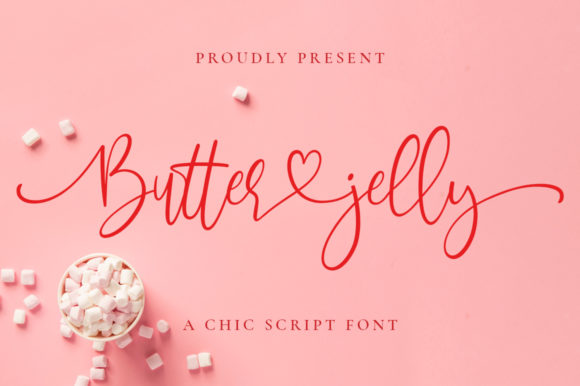
Butter Jelly stands out with its smooth, flowing lines and playful yet elegant feel. The handwritten style adds a human touch, making it perfect for designs that need a personal, approachable vibe. This font is not just visually appealing; it also has a warm, inviting personality that can enhance the overall user experience on your website.
Using Butter Jelly in Web Design
Butter Jelly can be a versatile addition to your design toolkit. Here are some practical ways to incorporate this font into your web projects:
- Website Headers and Hero Sections: Use Butter Jelly for bold, eye-catching titles that set the tone for the rest of the page. Its distinctive style can help draw attention and create a strong first impression.
- Landing Pages and Call-to-Action Areas: Incorporate Butter Jelly for short, impactful phrases that encourage action. Its readability and charm can make CTAs more engaging and effective.
- Online Shop Banners and Product Descriptions: Add a touch of elegance to your e-commerce site by using Butter Jelly for product names and promotional text. It can help your products stand out and create a premium feel.
- Blog Graphics and Social Media Posts: Enhance your content with Butter Jelly for headlines and quotes. Its unique style can make your posts more shareable and visually appealing.
Readability and Visual Hierarchy
While Butter Jelly is visually striking, it's important to use it judiciously to maintain readability. Here are some tips:
- Hero Titles and Section Headings: Use Butter Jelly for large, prominent text where its style can shine without overwhelming the reader. It works well for titles and headings that need to grab attention.
- Short Phrases and Decorative Accents: Incorporate Butter Jelly for short, impactful phrases and decorative elements. Avoid using it for long paragraphs, as it may become difficult to read.
- Logo Text and Branding: Consider using Butter Jelly for logo text and other branding elements. Its unique style can help establish a consistent and recognizable brand identity.
Mobile and Responsive Design
When designing for mobile and responsive layouts, it's crucial to ensure that Butter Jelly remains legible and visually appealing across different screen sizes. Here are some best practices:
- Font Size and Spacing: Adjust the font size and letter spacing to ensure clarity on smaller screens. Test how the font looks on various devices to find the optimal settings.
- Dark and Light Backgrounds: Use Butter Jelly on both dark and light backgrounds, but pay attention to contrast. Ensure that the text is easily readable against the background color.
- Image Overlays: When using Butter Jelly over images, consider adding a subtle background or shadow to improve legibility. This can help the text stand out without overpowering the image.
Font Pairing and Complementary Typography
To create a balanced and professional look, pair Butter Jelly with complementary fonts. Here are some suggestions:
- Sans Serif Fonts: Combine Butter Jelly with a clean, simple sans serif font for body copy. This pairing can provide a good balance between style and readability.
- Serif Fonts: For a more editorial and sophisticated look, pair Butter Jelly with a classic serif font. This combination can work well for blog headers and article titles.
- Modern Typography: Experiment with other modern, creative fonts to find a combination that aligns with your brand's aesthetic. Just be mindful of not overloading the design with too many styles.
Practical Considerations for Using Butter Jelly
Before incorporating Butter Jelly into your web projects, here are some practical considerations:
- Included Styles and File Formats: Check if the font includes multiple styles (e.g., regular, bold, italic) and file formats (e.g., OTF, TTF, WOFF). This can provide more flexibility in your designs.
- Webfont Availability: Ensure that the font is available as a webfont. This will allow you to use it seamlessly on your website without relying on external resources.
- Commercial Licensing: Verify the commercial licensing terms for using Butter Jelly in client projects, online stores, and digital templates. Make sure you have the necessary permissions to use the font for your specific needs.
By thoughtfully integrating Butter Jelly into your web design, you can create a visually appealing and engaging experience that resonates with your audience. Its unique style and versatility make it a valuable asset for any digital project.